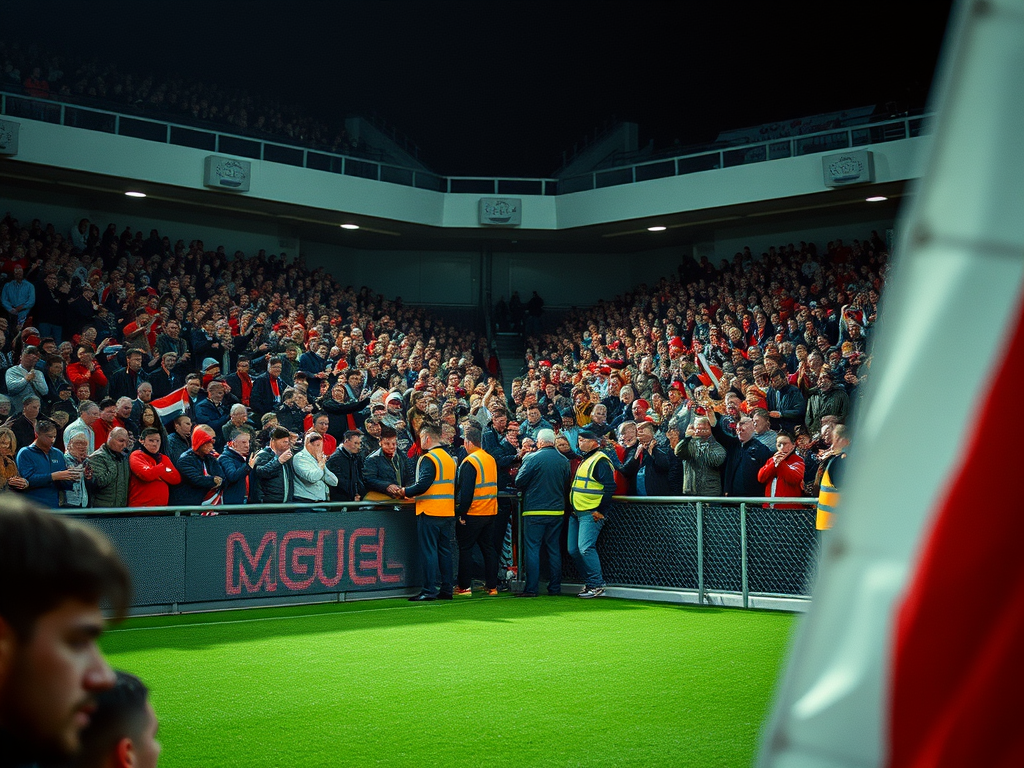
The fans of Das Team, the Austrian national football team, are not mere spectators but vibrant participants in a deeply rooted culture. When the players step onto the field, the stadium shakes with a sea of red-white-red flags and passionate singing. These traditions are the heart of Austrian fan culture, which has evolved over generations.
An indispensable part of every match is the chants of the fans, often accompanied by creative lyrics and melodies. Whether in friendly matches or crucial qualifying games, the fans show unwavering support, creating an atmosphere that can overshadow even the toughest opponents. During derbies, such as the one against their German neighbors, the tension is particularly palpable. Here, it’s not just about points; it’s about prestige and national pride.
Rituals are a fixed part of the fans' preparations. Many supporters travel in groups to the stadium and start the day with a communal breakfast, often in a traditional inn, where stories of past matches are shared. Just before kick-off, fans gather in the stadiums, uniting in a powerful "Österreich! Österreich!" chant that echoes through the stands and gives goosebumps.
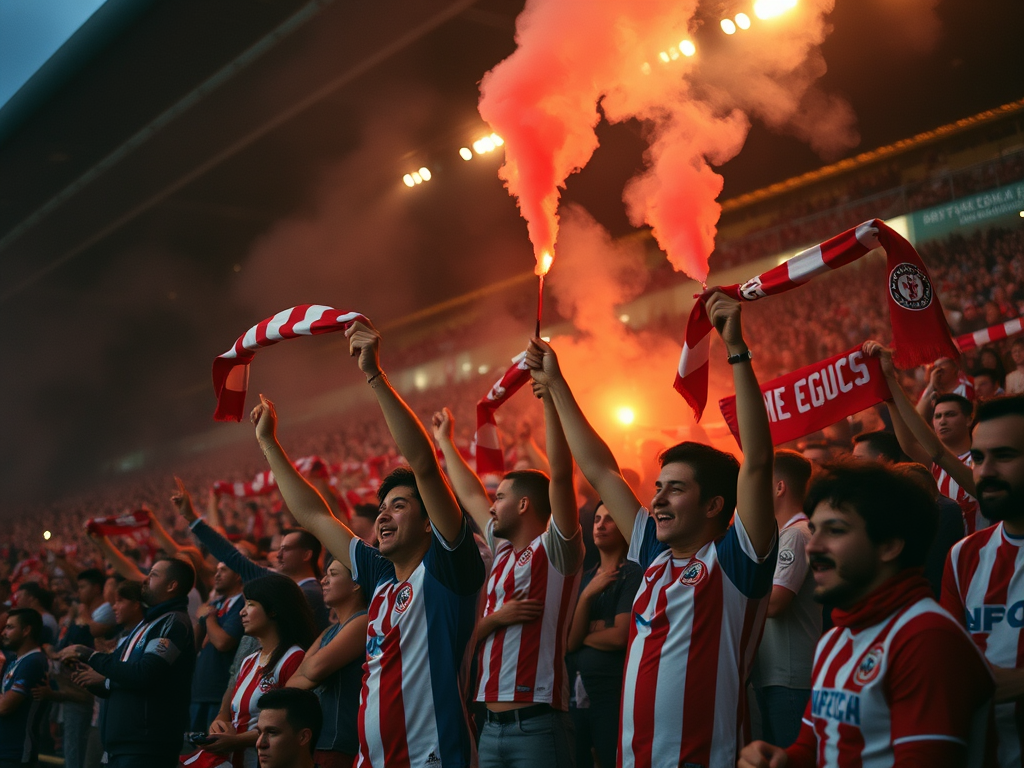
The best time to experience the unique atmosphere is during major tournaments like the World Cup. When Das Team takes the pitch, the stadiums turn into festive grounds. The Austrian colors are visible everywhere, and the enthusiasm of the fans is unstoppable. Many bring drums, flags, and even pyrotechnics to show their support. These rituals are not just expressions of passion but also of community and solidarity.
Another notable feature of Austrian fan culture is the rivalry between different fan groups. Each derby has its own stories, traditions, and even unique chants that have often been passed down through generations. These rivalries are not merely sports-related but are also deeply embedded in the social and cultural identity of the fans.
In recent years, the fan culture of Das Team has evolved. With the increasing globalization of football and the presence on social media, fans have found new ways to show their support. Online platforms enable supporters to connect, share their experiences, and create a sense of belonging that extends beyond the physical boundaries of the stadium.
In conclusion, the fan culture of Das Team is an indispensable part of Austrian identity. The passionate rituals, the electrifying atmosphere during derbies, and the relentless support fans provide to their team make the experience in the stadium truly special. As Austria takes the field in the 2026 World Cup, the fan culture will undoubtedly take center stage once again, inspiring the players to reach new heights.