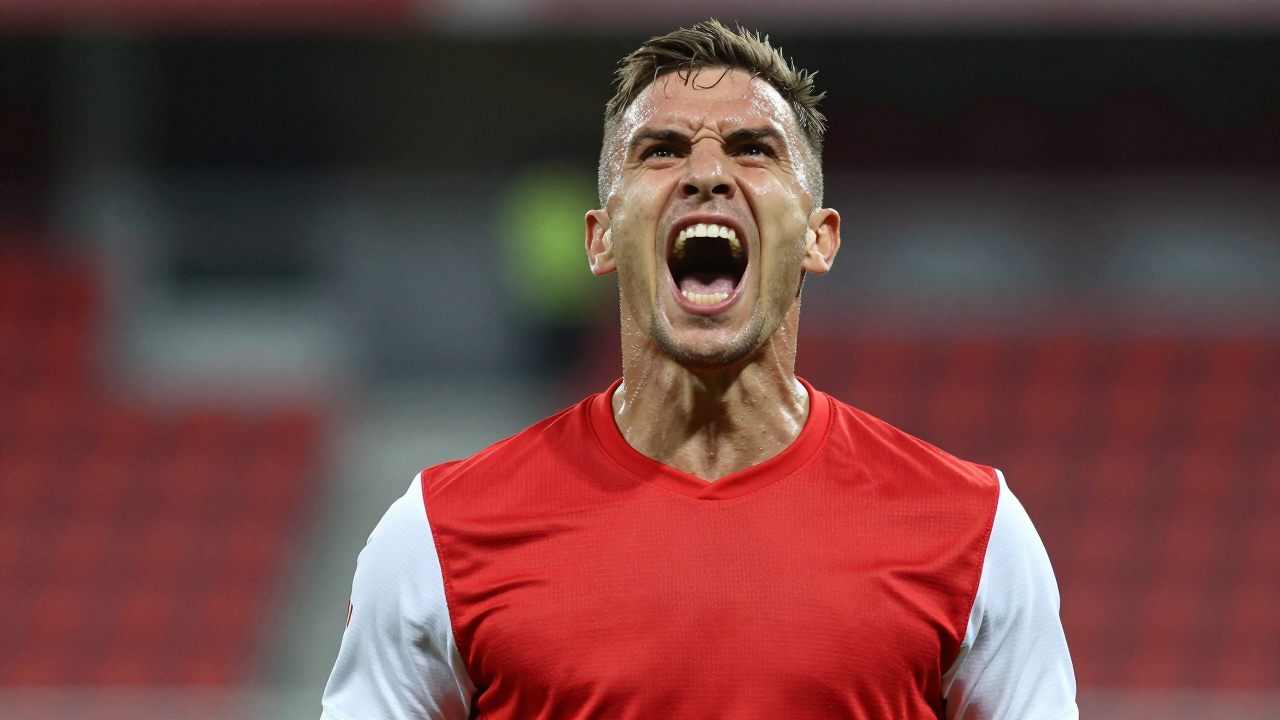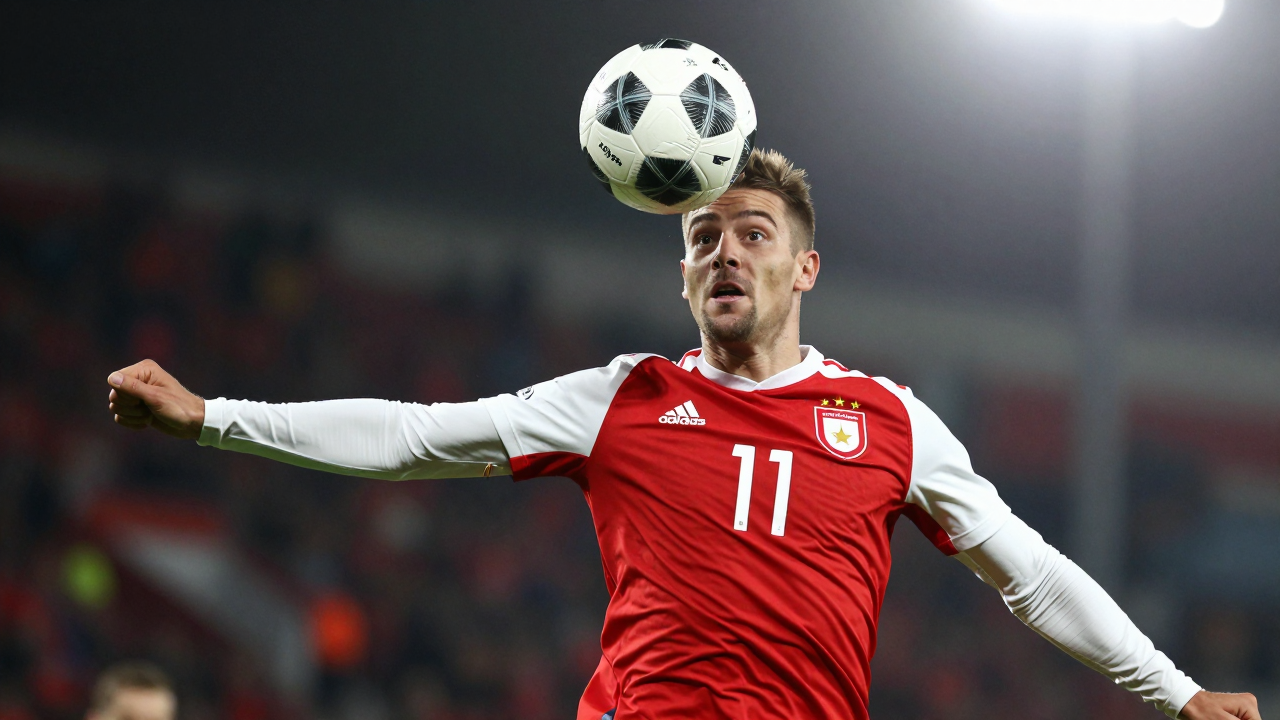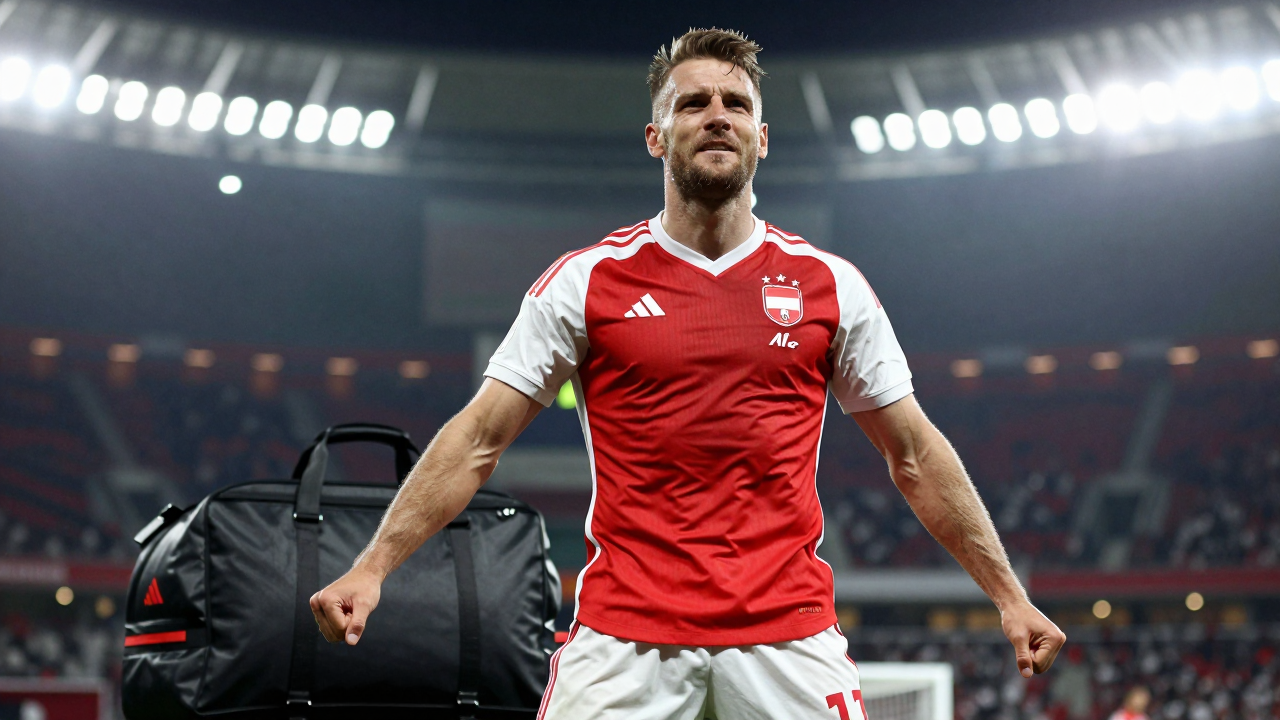

Austria's participation in the first post-World War II FIFA World Cup in Italy remains a memorable chapter in the club's history. The year 1934 not only marked the beginning of a new competition but also the blossoming of Austrian football, characterized by technical finesse and creative play. The team, under the leadership of legendary coach Hugo Meisl, emerged as a serious contender, astonishing the football world with its style of play.
The squad, featuring outstanding players like Matthias Sindelar and Franz Binder, was renowned for its attacking football. The team's style was a true precursor to what would later be known as 'total football'. In the early rounds of the World Cup, the Wunderteam showcased its class, delivering performances that captivated audiences across Europe.
The quarter-final match against Switzerland remains particularly memorable. Although the game was not without its challenges, the team demonstrated remarkable resilience and team spirit. These qualities are still a hallmark of Austria's football philosophy today. The players fought until the last minute, proving that they were not only talented but also tenacious.
The 1934 World Cup was not merely a sporting competition, but a cultural event that aimed to strengthen the national consciousness and pride of Austrians. The matches were played against a backdrop of political change and uncertainty, making the team's achievements even more significant. It was a time when football served as a means of national unity and identity.
The influence of the Wunderteam extended beyond the confines of the pitch. The players became national icons, and their performances inspired generations of football players and fans. The 1934 World Cup also led to the popularization of football in Austria, laying the groundwork for future successes.
Despite the challenges that the following decades brought, the 1934 World Cup remains a symbol of the glorious past of Austrian football. It reminds us that the passion and commitment the team displayed on the pitch back then still live on in the hearts of Austrian football fans today. This golden era of football has shaped the legacy of Austria's football and remains an essential part of the country's identity as we approach the upcoming FIFA World Cup 2026.