Introduction
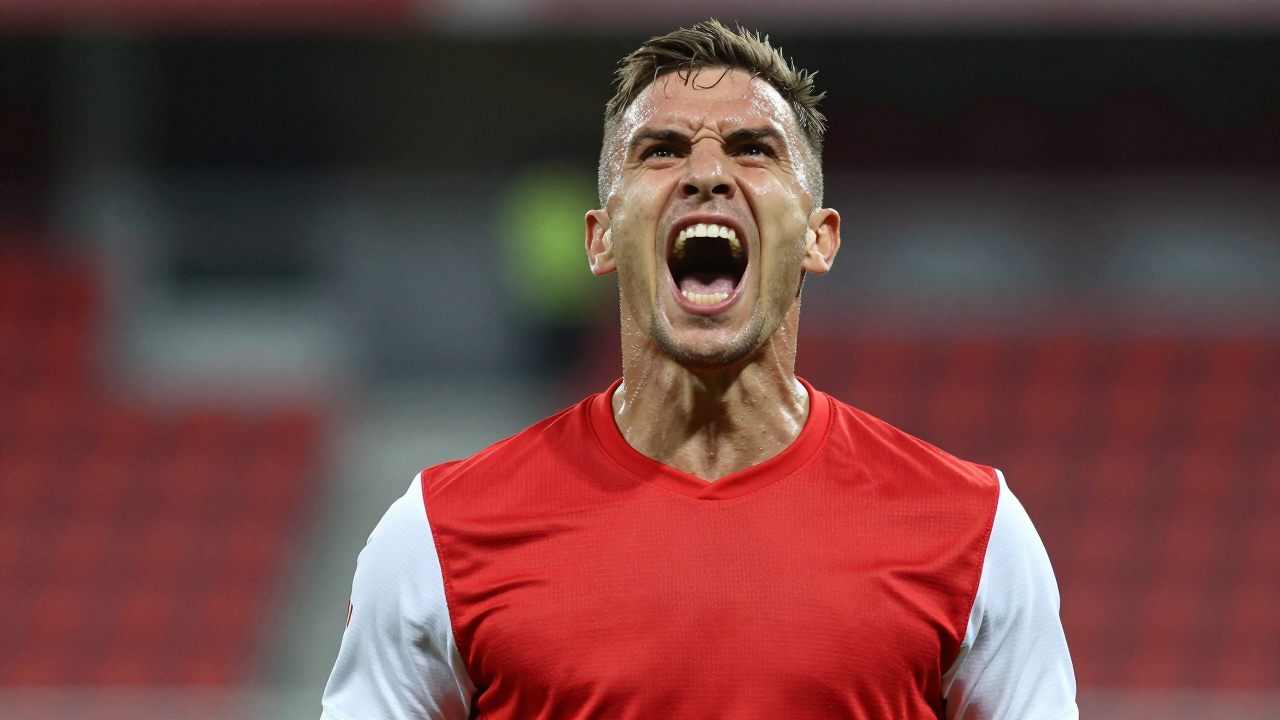
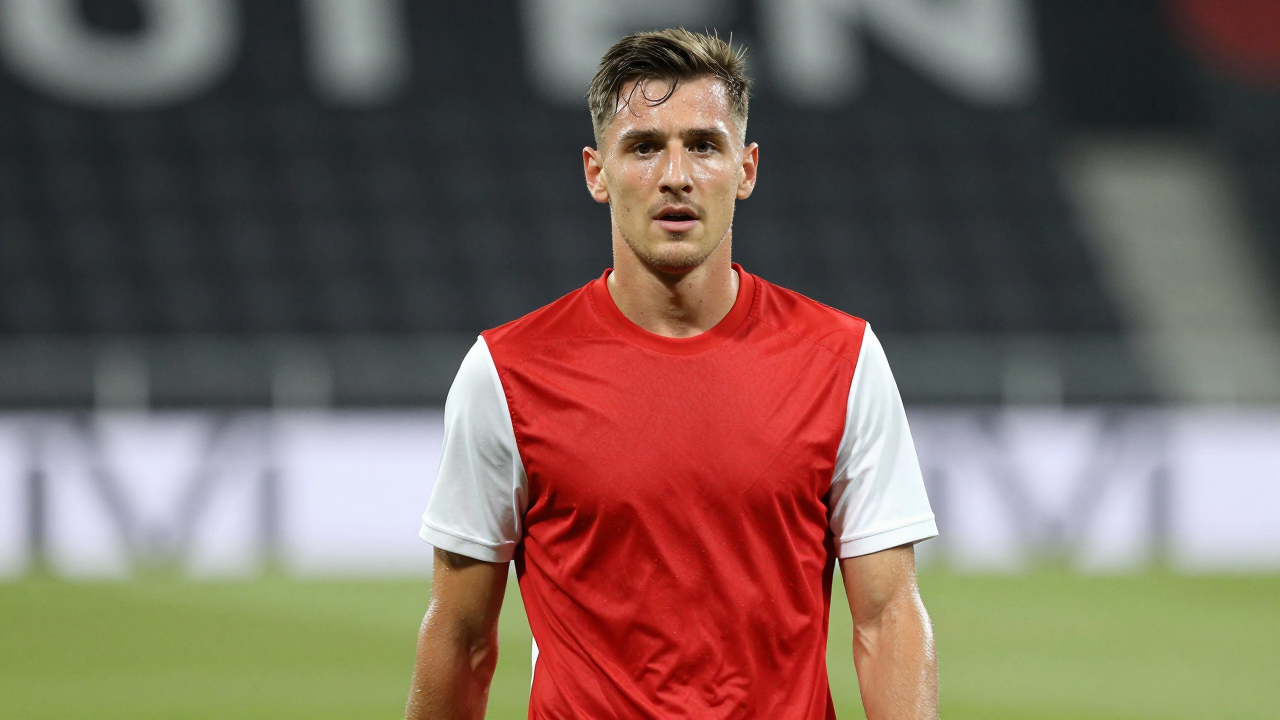
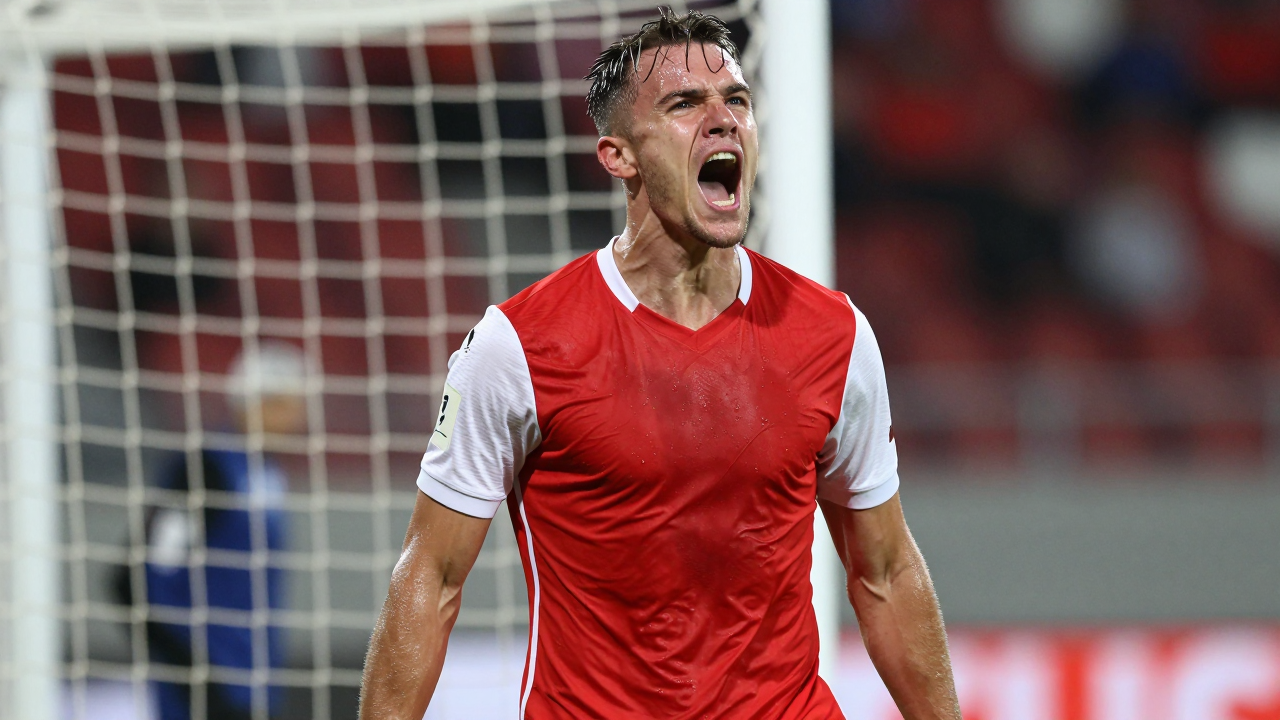
Anticipation for the FIFA World Cup 2026 is building, and Austria has now released its final roster. With a mix of experienced stars and rising talents, the team presents an exciting outlook for the upcoming matches. The focus will be on key players like Philipp Grubauer, making his seventh tournament appearance, and Moritz Seider, celebrating his sixth career appearance. The question remains: can this team meet expectations and perhaps exceed them?
Roster Overview: Who's in?
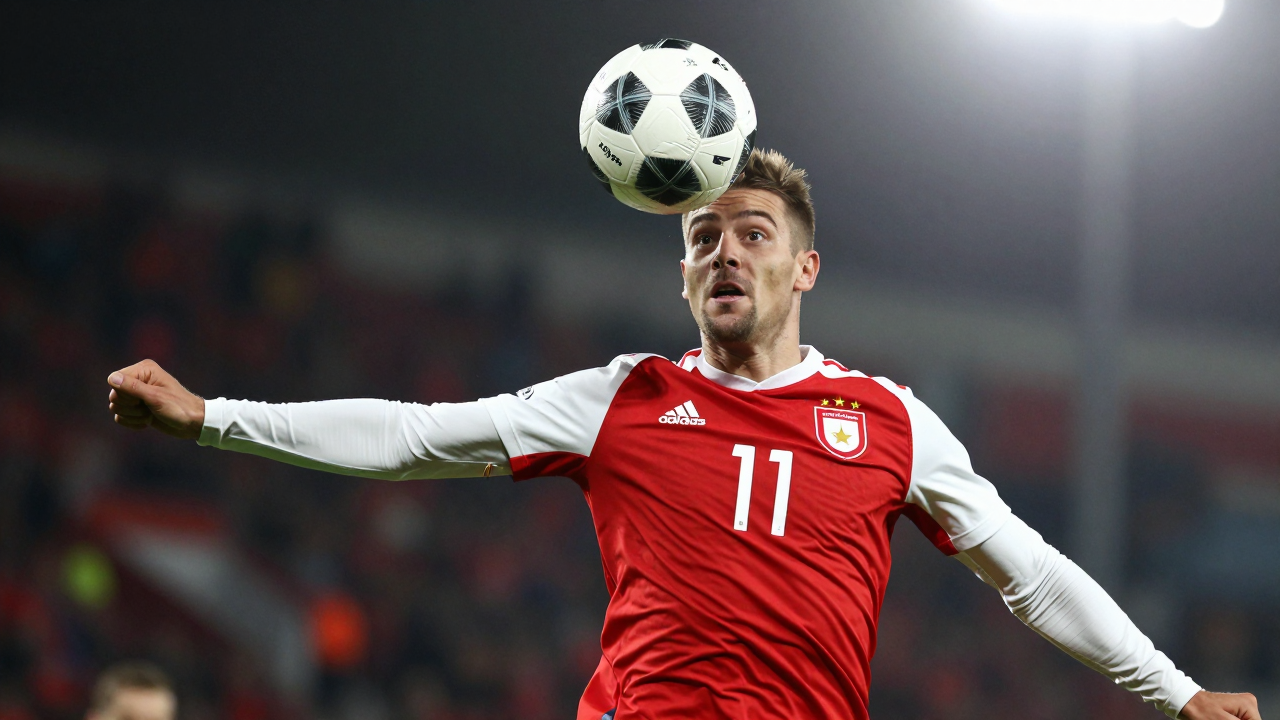
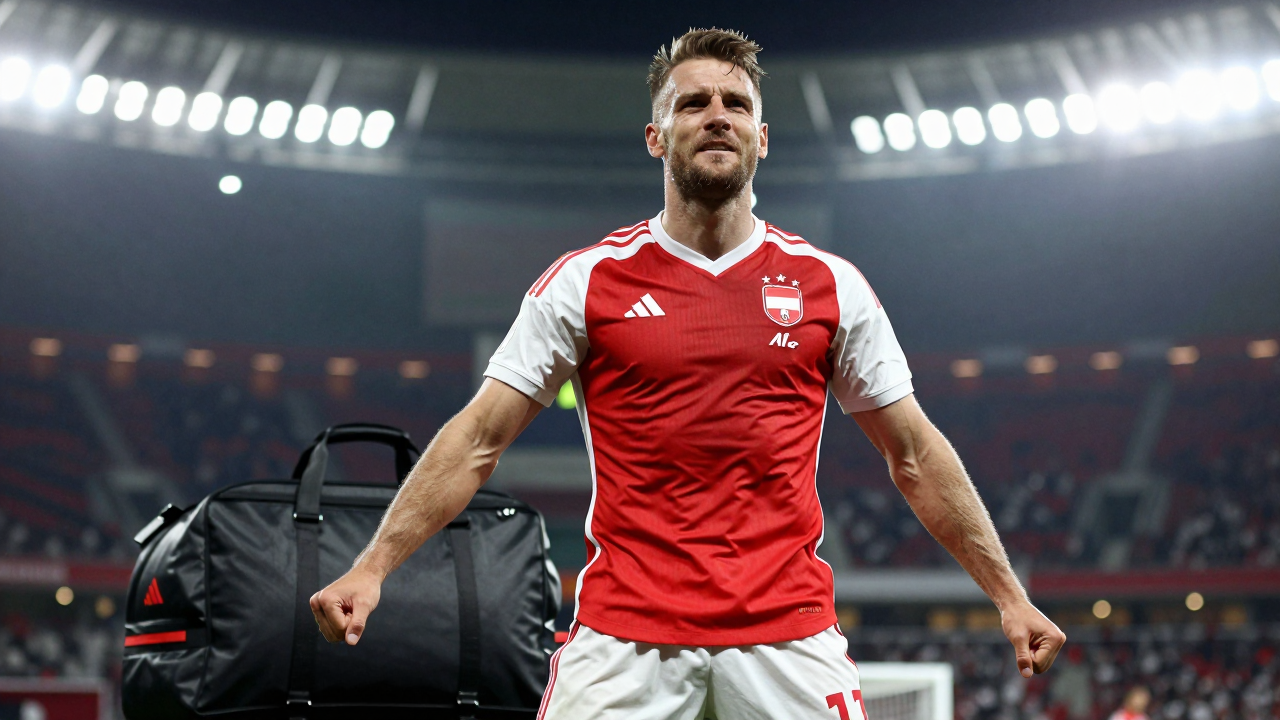
The squad for the 2026 World Cup showcases an interesting selection of players promising both experience and talent. Here are some standout names: - Philipp Grubauer (Goalkeeper) - A stalwart in goal with years of experience in international competitions. - Moritz Seider (Defender) - Young, dynamic, and ready to strengthen the defense. - David Alaba (Defender) - Another experienced player who will lead the team. - Marko Arnautovic (Forward) - His goal-scoring ability could ignite Austria's offense.
With these players, coach Ralf Rangnick has forged a strong foundation capable of both defensive solidity and offensive threat. The squad is complemented by young talents who have made their mark in recent years and are ready to shine on the big stage.
Tactical Approach and Style of Play
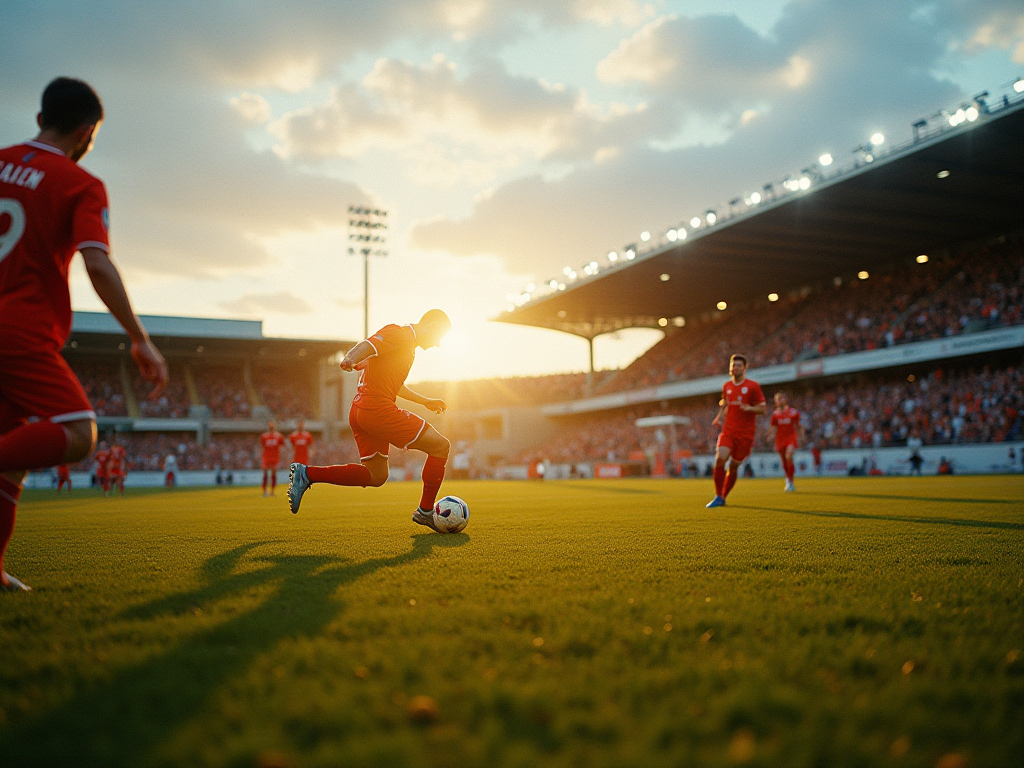
Austria is likely to adopt a flexible formation that allows the team to be both defensively solid and offensively dangerous. Under the guidance of Ralf Rangnick, the team may play in a 4-2-3-1 system that can shift to a 4-3-3 in attack. This adaptability will be crucial for success against various opponents.
Tactical features we can expect include: - High pressing line: Rangnick is known for his aggressive pressing, which puts pressure on opponents and promotes quick ball recovery. - Creative midfielders: Players like Christoph Baumgartner and Xaver Schlager will take key roles in build-up play. - Fast wingers: With Marco Friedl and Sasa Kalajdzic on the flanks, Austria could pull apart the opponent's defense.
Expectations for the Group Stage
Austria will face a challenging group filled with strong opponents. The team must maximize its strengths and minimize weaknesses to advance to the knockout stage. The opening matches will be crucial in setting the tone for the rest of the tournament.
Key factors for success in the group stage include: - Strong team chemistry: The better the players harmonize, the more successful the team will be. - Defense against individual brilliance: The defense will be tested, especially against players like Kylian Mbappé or Lionel Messi, should they meet. - Efficiency in finishing: Goals are critical, and this will depend on the forwards converting chances into goals.
The Broader Perspective of the 2026 World Cup
The FIFA World Cup 2026 will be hosted in the USA, Canada, and Mexico, presenting a unique opportunity for Austria to showcase itself on a global stage. The opening ceremony and initial matches will take place in prestigious venues like MetLife Stadium in New Jersey. The entire tournament will not only be a chance for the players but also for the Austrian football community to shine.
With the expansion to 48 teams, the tournament will also be more accessible for smaller nations, potentially influencing game dynamics. Austria must prepare for surprises and be ready to compete against any team.
Fan Reactions and Outlook
Fan reactions to the roster announcement have been largely positive. Support and expectations are high, especially following recent successes in UEFA Euro 2020, where Austria reached the Round of 16. Fans are optimistic that the team can reach the next level.
Key points from fan reactions include: - Excitement for the players: Many fans are eager to see Grubauer and Seider on the world stage. - Expectations on Rangnick: The coach will be held accountable for his tactical decisions and team leadership. - Goal setting: Advancing to the knockout phase is the stated goal and is seen as realistic.
What's Next?
With the World Cup kickoff on November 21, 2026, the time leading up to it will be crucial for optimal team preparation. Austria will utilize friendly matches and training camps to refine its tactics and strengthen team chemistry. Players must focus on their roles within the team and mentally prepare for the challenges of the World Cup.
The coming months are of utmost importance for Austria. Fans will closely follow how the team develops and whether it can meet expectations. The 2026 World Cup could represent a historic opportunity for Austria, and the entire nation will rally behind “Das Team.”