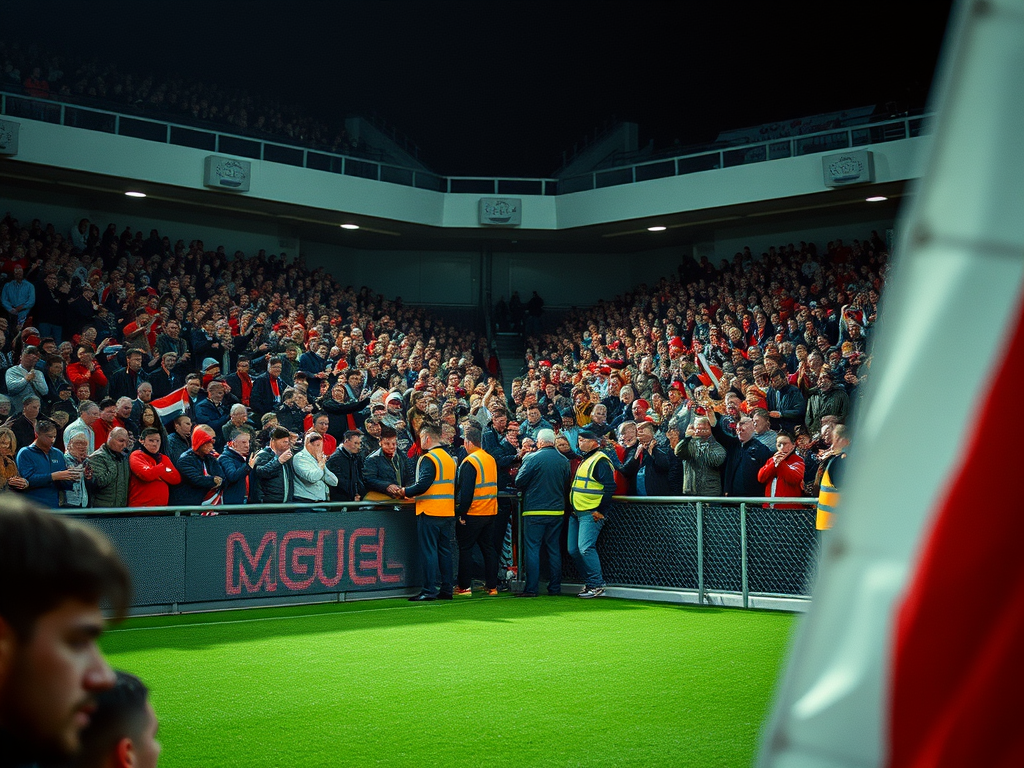
Football in Austria is more than just a game; it’s a way of life, especially for the loyal supporters of Das Team. The fan culture is deeply rooted in traditions passed down through generations, making the matchday experience something truly special. In the weeks leading up to a significant match, particularly derbies, fans tirelessly celebrate their anticipation and display their allegiance.
One of the most striking traditions is the "flag waving" that takes place before kick-off. Hours before the game, fans gather to unfurl their massive flags and banners, not only representing the colors of Austria but also embodying the identity and pride of the supporters. This visual spectacle is accompanied by powerful singing and drumming, charging the entire atmosphere and energizing the players on the pitch.
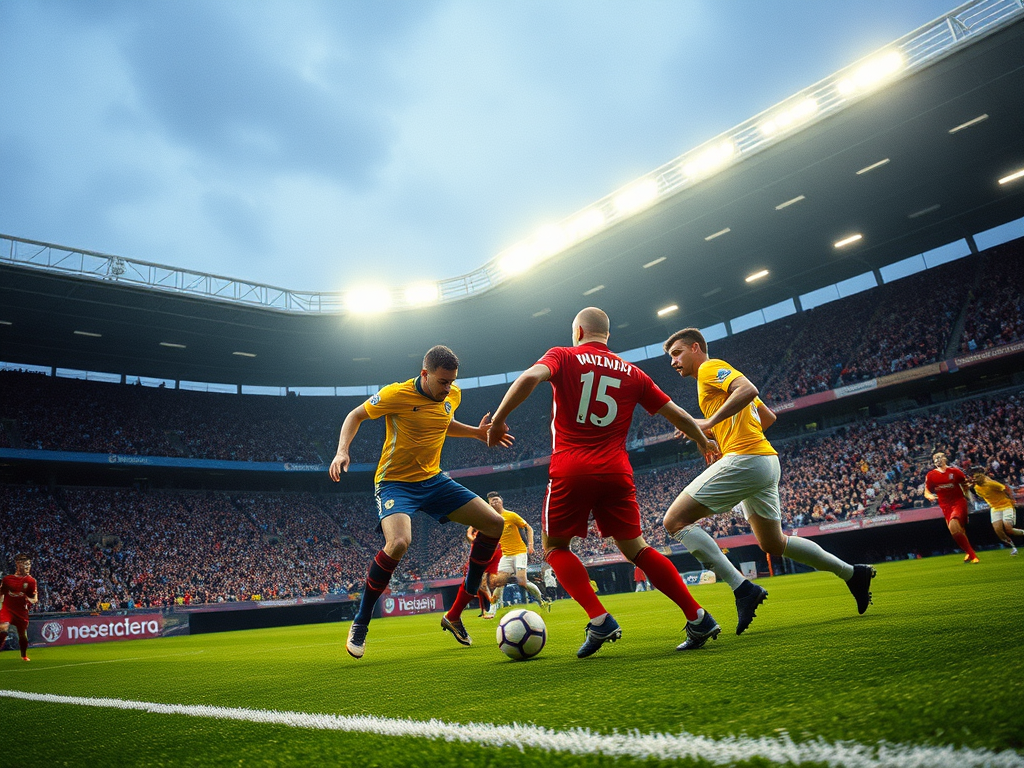
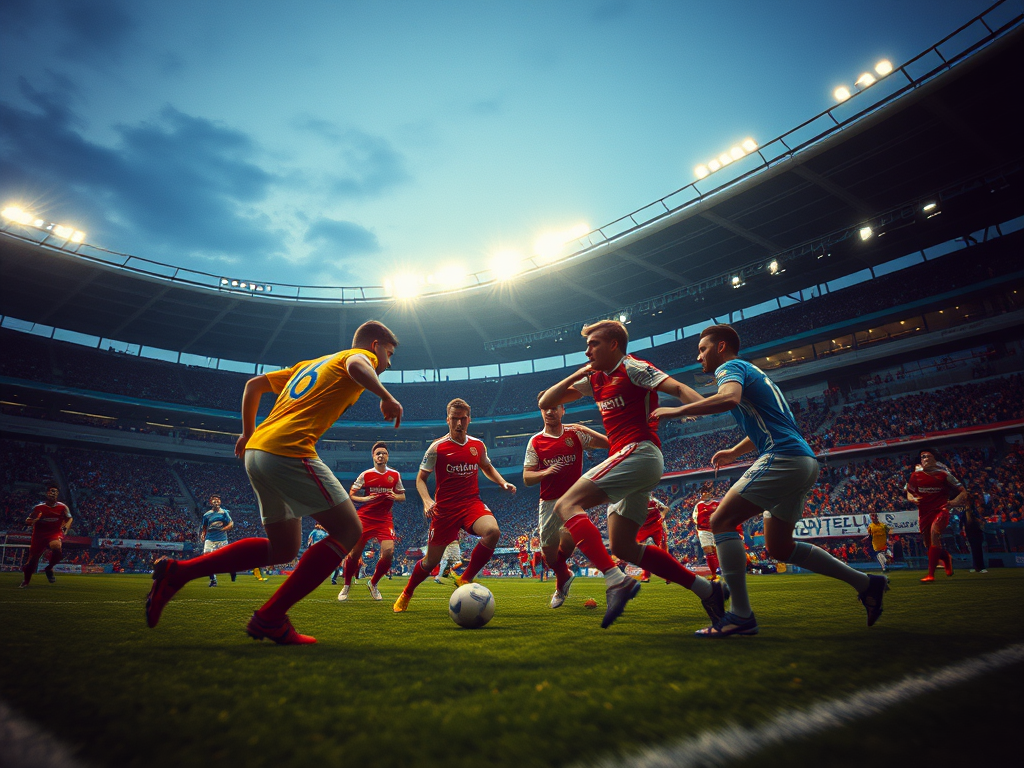
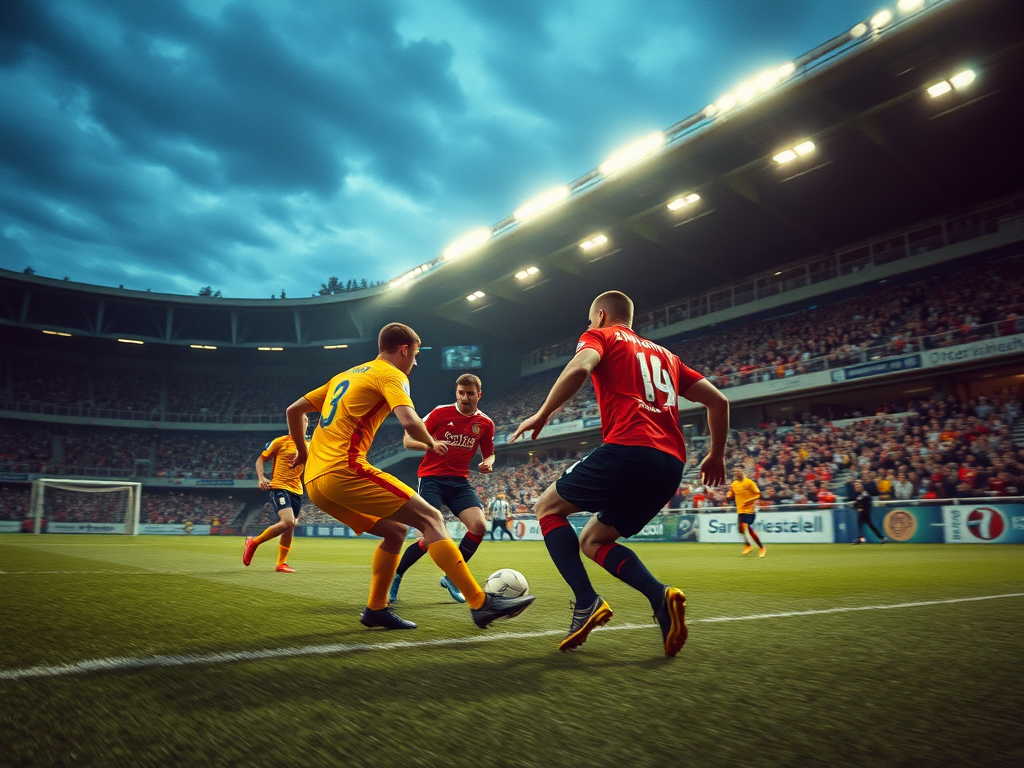
The derby atmosphere is something that no fan will ever forget. Matches against rivals like Rapid Wien are not merely sporting contests; they are cultural events that transform the city into a true cauldron. The stadiums are often sold out, and the rivalry brings a unique intensity. During the match, it’s not just about goals; it’s also about chants, choreographies, and outdoing one another in support.
Another notable ritual is the "scarf waving" during the teams’ entrance. Fans raise their scarves in the air and sing songs that encourage the players. This collective experience strengthens the bond between the players and the supporters, with many reporting goosebumps when the entire block sings in unison. Such moments are the heart of fan culture, showcasing the importance of unity.
After the match, the atmosphere is often just as electrifying. In the streets surrounding the stadium, fans gather to share their experiences, analyze their teams, and rally for future matches. This post-match time is part of the ritual that further tightens the community among fans. It's not uncommon to hear passionate discussions about the game and players in pubs or squares long after the final whistle has blown.
The fans of Das Team are a living testament that football is more than just a sport. It is a culture, a lifestyle, and a shared identity. Their rituals and traditions are not only essential for the matches but also contribute to creating a strong and engaged community that looks forward to the challenges ahead at the FIFA World Cup 2026.